Closer to home. Connected to care.In partnership with Serenox Africa
01 / Why this work matters
Behind every number, a woman. A family.
Cervical cancer is the most frequently diagnosed cancer among women in Tanzania. Accessible screening and timely follow-up can help prevent a treatable precancer from becoming a life-threatening illness.
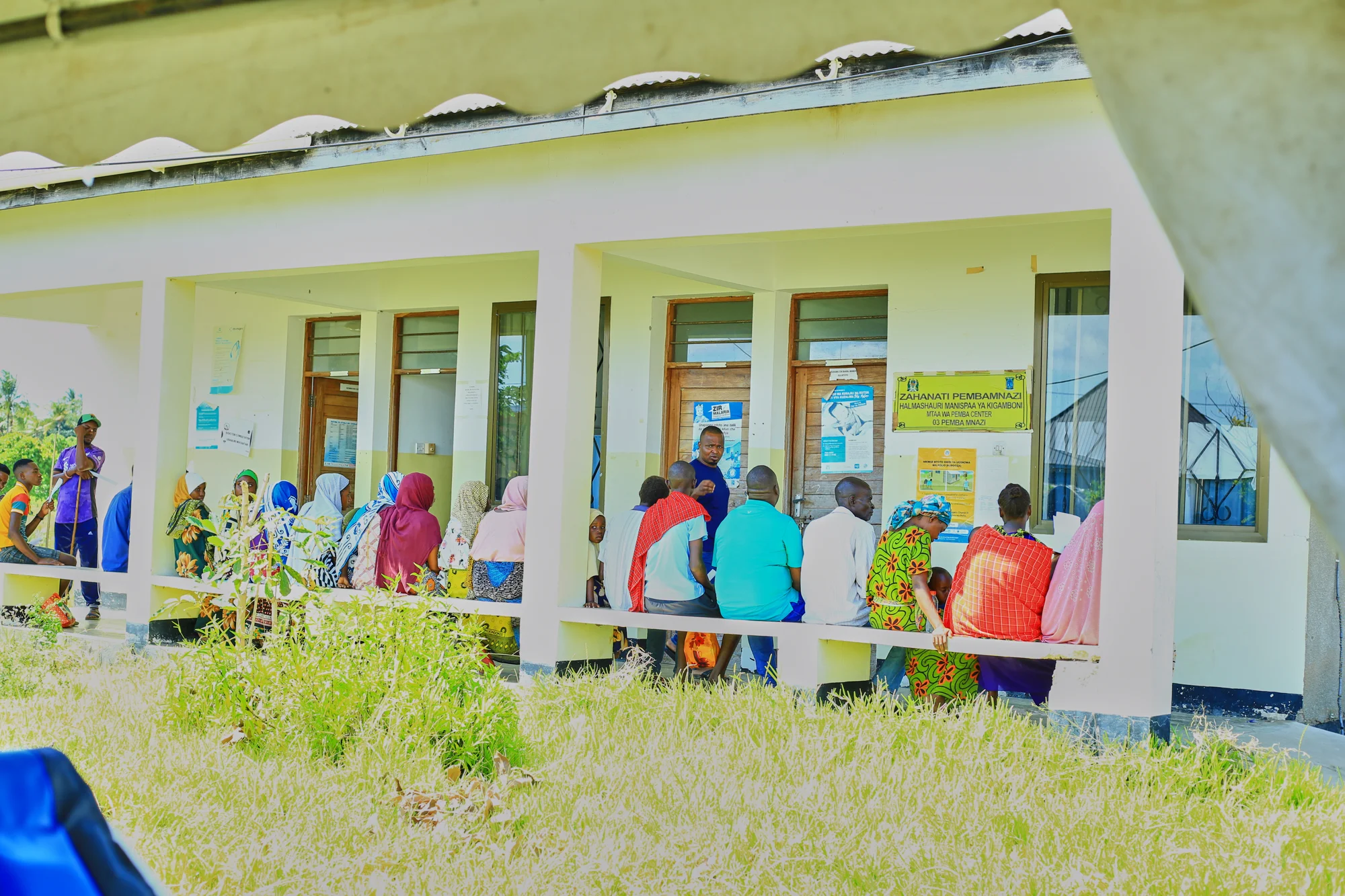
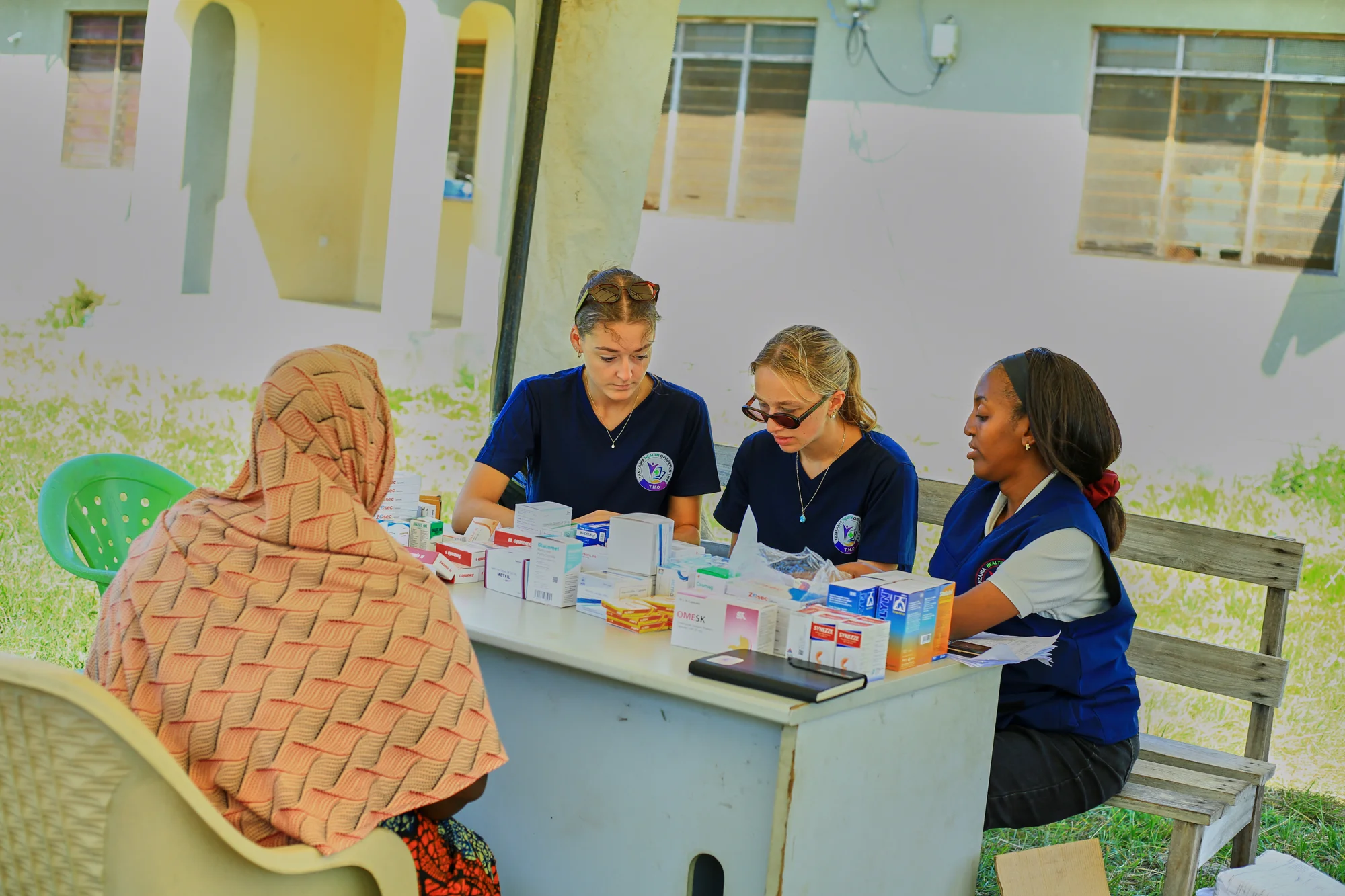
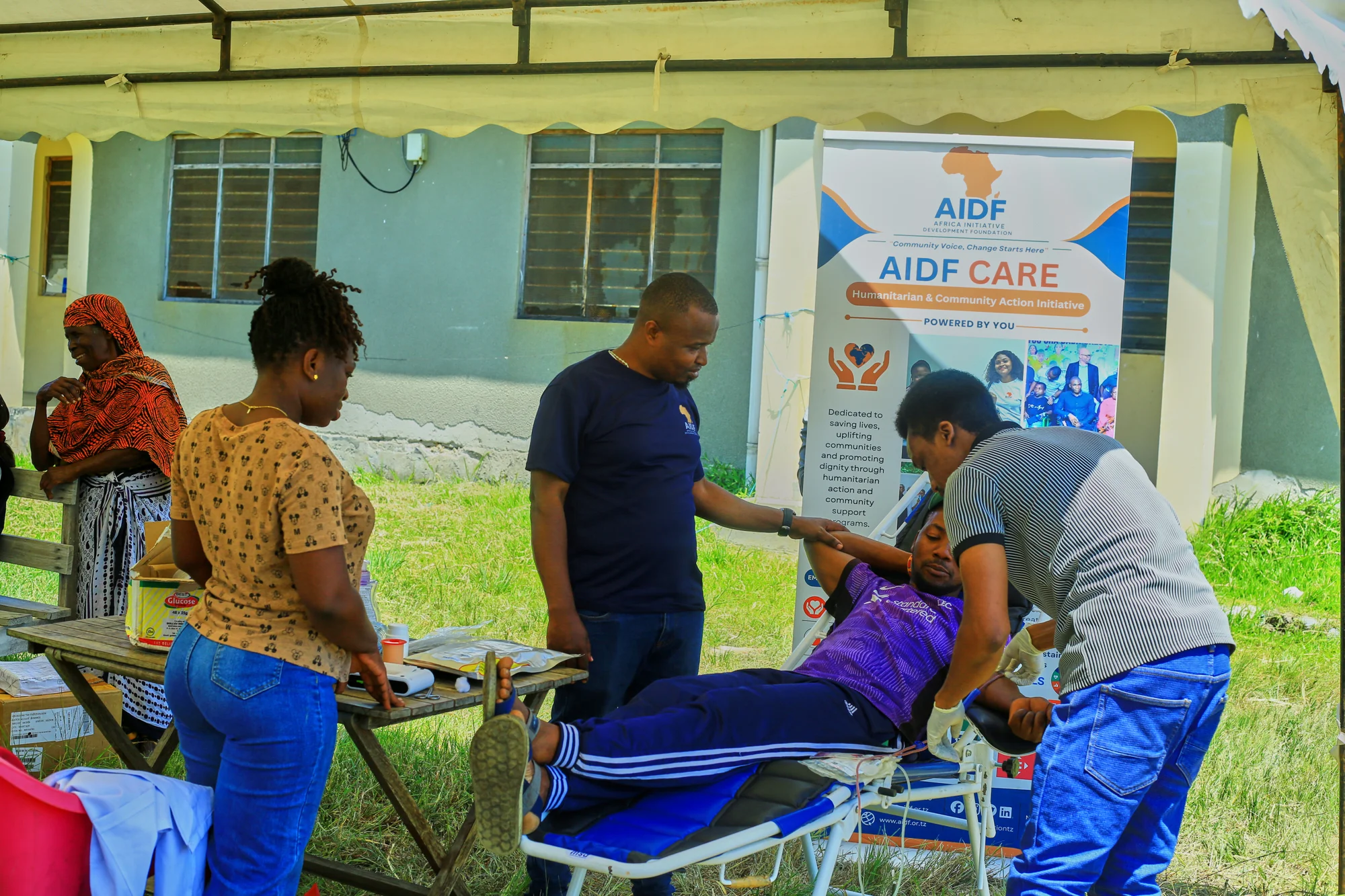
Our cervical cancer screening and follow-up programme connects outreach in Pembamnazi with laboratory services, clinical review and specialist referral through Serenox Africa.
Our team offers both HPV testing and visual inspection with acetic acid (VIA). The clinical team selects the appropriate approach for each eligible woman. A trained healthcare professional examines the cervix for changes that may need further assessment. VIA is a screening test; an abnormal finding is not a cancer diagnosis.
Access to screening depends on trained staff, reliable supplies, laboratory capacity and connections between outreach and follow-up services. VIA can provide an immediate assessment without an on-site cytology laboratory, making it a practical option where laboratory-based screening is not yet accessible.
03 / Understanding screening
The right care. The right context.
Effective care needs trained teams, quality assurance and a reliable route to diagnosis and treatment.
01
VIA
A practical outreach option
Visual inspection offers results at the visit and avoids the need to process a Pap smear in a laboratory. Its accuracy depends on training and interpretation, and it is not suitable for every woman. Our clinical team determines the appropriate next step.
02
HPV testing
WHO’s preferred primary test
Testing for high-risk human papillomavirus identifies infection associated with cervical cancer risk. WHO recommends HPV DNA testing over VIA or cytology for primary screening. Our programme offers HPV testing alongside VIA, with testing and follow-up guided by the clinical team.
03
Pap smears
Laboratory-based cytology
Cytology examines cervical cells for abnormalities. It relies on laboratory capacity, quality control and results reaching women in time. VIA’s logistical advantages in outreach do not mean it is universally more accurate or a replacement for all laboratory assessment.
Screening only fulfils its promise when women can reach the care that follows. Our programme is built around that connection.
01
Screen & explain
Eligible women receive a clinical assessment and appropriate screening. Findings are documented and explained, with clear advice about the next step.
02
Connect & refer
Women needing further assessment are linked to Serenox Africa for relevant investigations, clinical review and referral to doctors or specialists.
03
Treat & follow up
Qualified healthcare professionals decide on further diagnosis, treatment for eligible precancer, or referral for suspected or confirmed cancer. Follow-up helps women continue through their care pathway.
04
Learn & keep improving
We aim to document appropriately anonymised patient journeys to understand barriers and improve continuity of care. Patient confidentiality comes first.
Prevention starts before screening
Understand HPV. Protect the future.
Persistent infection with high-risk HPV causes almost all cervical cancers. HPV vaccination helps prevent infection with the types most often linked to cancer, while screening identifies risk or precancer before symptoms develop. Vaccination and screening work together.
Our outreach provides an opportunity for health education and encouragement of HPV vaccination for eligible girls and adolescents in line with national guidance. Clinical teams advise on screening eligibility and follow-up.
Serenox Africa is our partner in the cervical cancer screening and follow-up programme, connecting women with laboratory investigations, clinical services and specialist referral where needed.
Volunteers and partner teams help connect community screening with follow-up and clinical care. Learn about the programme or share your interest in working alongside us.